Admin
Admin 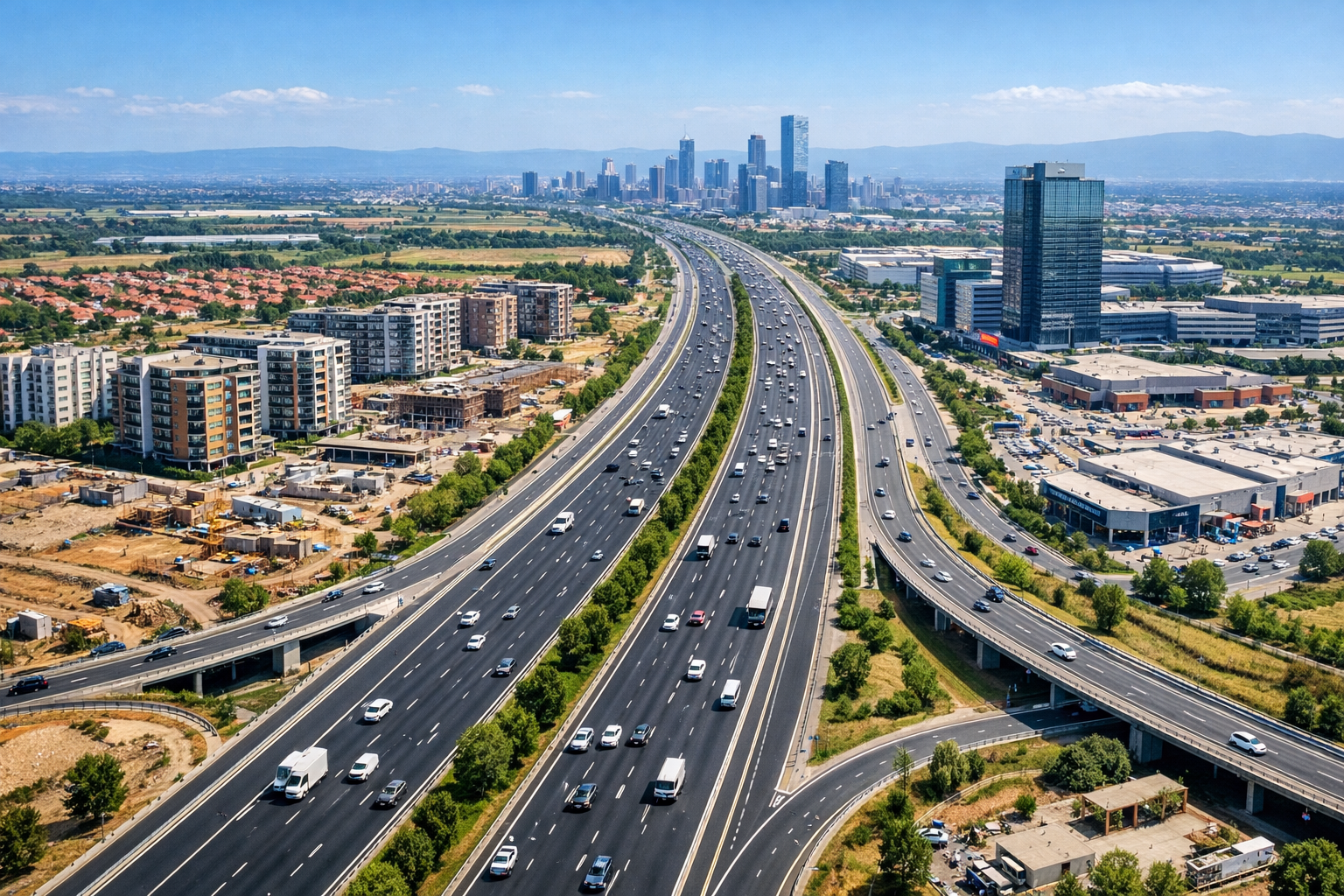
The Indian real estate business is in a potent change, not only on the basis of the urban demand, but also owing to the colossal infrastructure construction. Connectivity is redefining the location of people, investment and building activity, whether new expressways, or logistics corridors. Such projects as the Delhi-Mumbai Expressway and the projects of the Bharatmala Project are opening up hitherto undeveloped areas, transforming them into real estate hot spots.
Infrastructure-Real Estate Relationship.
Why Growth in Property is a by Product of Connectedness.
The development of infrastructure has a direct impact on the growth of cities and development of real estate demand. As the highways, metro systems, and expressways help to increase connectivity, they decrease the travel time, and make far-off places more reachable. This change prompts individuals to leave the congested urban centers and venture into new areas of suburbs and the peripheries.
Also enhanced connectivity will lure businesses, industries and commercial operations and consequently open up job opportunities. This ecosystem will boost housing demand and home rental and capital value growth. Gradually, places which were regarded as remote turn out to be dynamic urban centers that have high investment potential.
Major Infrastructure Projects that gave a Boost.
Expressways New Growth Corridors.
The fast growing expressway system in India is transforming the real estate map with the opening of new growth areas. Dwarka Expressway or the Yamuna Expressway are realizing a dramatic change in the connectivity between cities and suburbs. This greater accessibility is prompting developers to roll out massive residential and commercial developments along these routes.
This has seen such corridors not only being transit routes but also developing into self-sustaining micro-markets. Having an improved road infrastructure, buyers are more likely to invest in properties that are a little bit farther than the traditional city centers as they are sure that the commute time will be greatly shortened and the growth will occur almost inevitably in the future.
Hotspots in Indian Property.
Rising Cities Tier-2 and Tier-3.
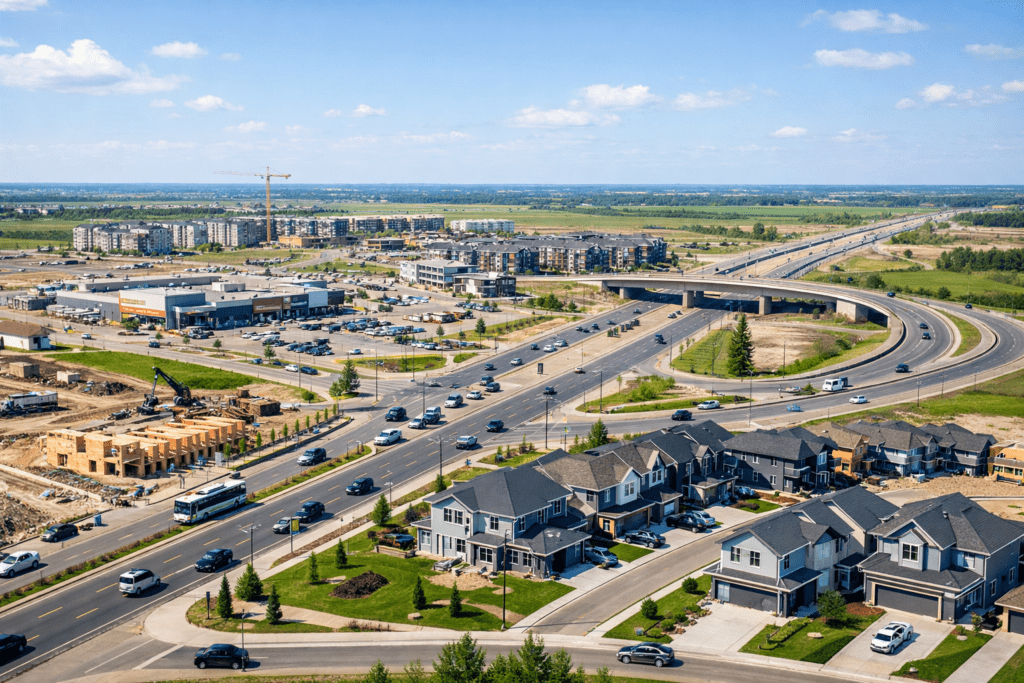
The increasing infrastructure development has taken the centre stage off metro cities to the emerging urban centers. New cities such as Jaipur, Lucknow and Indore are experiencing tremendous growth in real estate because of the better connectivity and government efforts.
The affordability, reduced congestion and the improvement of the lifestyle infrastructure are making these cities appealing destinations to homebuyers and investors. With the ever increasing connectivity, these areas are likely to experience a sustained demand and appreciation of property values in the long run.
Effect on Real Estate and Investment patterns.
The most significant Investment Payoffs of Infrastructure Development.
- Opportunity to invest early in corridors that are developing.
- A high appreciation potential in the long term.
- Higher demand in renting because of job creation.
- Development of trading and shopping areas.
- Increased resale value because of increased connectivity.
Altering Investor Preferences.
- Growing interest in plotted developments
- Change to the long-term strategies of investment.
- Favour of incorporated townships.
- Target areas along expressways and corridors.
- Growing demand for mixed-use developments.
Government Policies Favour Growth.
Smart Cities and Urban Growth.
The Smart Cities Mission is one of the government initiatives that are being instrumental in changing the infrastructures in urban areas in the country. The programs aim at making cities livable, bettering the services provided to the people and incorporating technology in the city planning.
This has led to the increased organization and efficiency of cities, and both local and foreign investments are being made. The enhanced infrastructure in conjunction with intelligent governance is ensuring that sustainable real estate development is in place.
Obstacles to Beware of.
Perceiving Risk in Infrastructural-Based Investments.
Real estate investments based on infrastructural developments have their own share of problems, which a buyer should critically consider. Speculative buying is one of the greatest risks as house prices increase at a high rate depending on future projections but not on the present construction.
The other issue is the delay in projects that may delay the returns and impact investment planning. Also, although connectivity rates advance rapidly, social infrastructure like schools, hospitals and entertainment centers might lag behind, affecting the overall quality of life in the near future.
Future Prospects of Infrastructure-Based Real Estate.
Trends in integrated and Smart Development.
Integrated and smart developments that blend residential, commercial and recreational areas are the future of real estate in India. Due to technological progress, developers are concentrating on smart houses, green building, and effective urban development.
The goals of these developments are to have self-sufficient communities where people can live, work and socialize without having to commute. These smart ecosystems will form the basis of contemporary urban life as infrastructures keep transforming.
Conclusion.
Infrastructure is no longer an aiding element but is the key driving force of real estate development in India. Expressways, highways and connectivity projects are transforming the way cities are growing and where individuals make decisions to invest. The real estate scene is increasingly dynamic and opportunity-based with the opening up of new regions through major projects.
The most important thing that investors and homebuyers need to know is that early identification of the emerging hotspots, understanding of the infrastructure plans and investing in long-term appreciation more than short-term returns is the key to their success. With the ongoing infrastructure drive in India, the future of real estate is bright, diversified and promising.
FAQs.
1. So why does infrastructure affect real estate prices?
Better connectivity enhances demand, accessibility and livability which translates to higher property prices.
2. What are the most beneficial areas to new highways?
The most growth is in the peripheral areas and Tier-2/3 cities because of affordability and new connectivity.
3. Should investing around expressways be a good idea?
Yes, although timelines of projects and plans of development around the project should be verified before investing.
4. What is the largest risk in infrastructure-based investments?
The greatest risks that should be taken into account by investors are project delays and speculative pricing.
5. What can buyers do to determine the hotspots in the future?
Identify future infrastructure development, government initiatives and initial developments in emerging regions.